
Top Bathroom Renovation Mistakes to Avoid for a Successful Upgrade
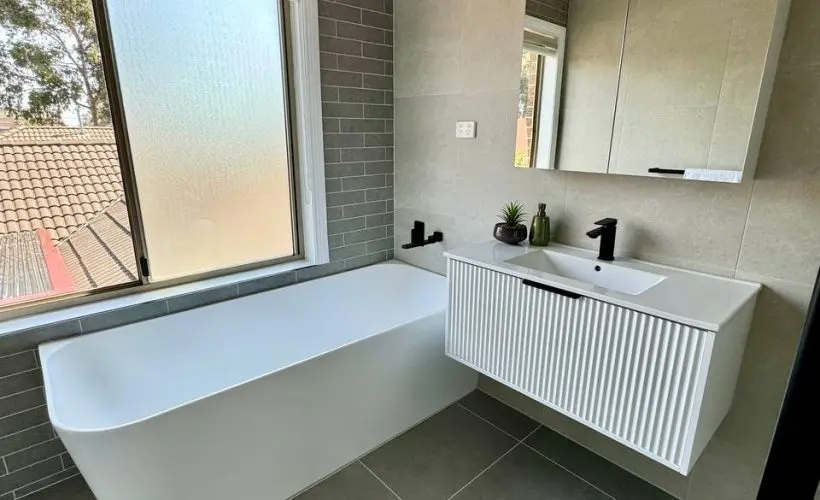
A bathroom renovation is one of the most valuable improvements you can make to your home. It enhances everyday comfort, improves functionality, and can significantly increase overall property appeal. However, even a well-intentioned renovation can quickly become expensive and stressful when important details are overlooked.
Many homeowners focus heavily on finishes and design choices while underestimating technical elements such as waterproofing, layout efficiency, ventilation, and workmanship quality. These oversights often lead to unnecessary repairs, delays, and reduced long-term satisfaction.
If you are considering renovating a bathroom, understanding the most common renovation mistakes early can help you avoid unnecessary costs and ensure a smoother project outcome.
Starting Without a Clear Renovation Plan
One of the most frequent bathroom renovation problems begins before construction even starts — poor preparation. Beginning work without finalizing layout decisions, product selections, and installation priorities often creates confusion during the renovation process.
Changes made halfway through construction usually increase labour costs and extend project timelines.
How to Avoid This
Before demolition begins, finalize:
- Bathroom layout
- Fixture placement
- Tile selection
- Lighting plan
- Storage requirements
- Plumbing positions
Daily convenience should always guide design choices.
Poor Lighting Design in Bathroom Renovations
Lighting is often underestimated during bathroom upgrades. A single overhead light usually creates shadows and reduces usability around mirrors, vanities, and shower areas.
Poor lighting can make even a newly renovated bathroom feel smaller and less inviting.
How to Avoid This
Use layered lighting that includes:
- Mirror lighting
- Ceiling lighting
- Accent lighting
- Shower area illumination
Proper lighting improves both functionality and overall atmosphere.
Ignoring Ventilation and Airflow
Bathrooms generate constant moisture. Without proper ventilation, condensation builds up quickly, creating conditions for mold growth, paint damage, and unpleasant odours.
Even high-quality finishes deteriorate faster in poorly ventilated spaces.
How to Avoid This
Install a quality exhaust fan suited to room size and ensure airflow is effectively directed outside.
Natural ventilation through windows also improves long-term moisture control
Choosing Inexperienced Renovation Contractors
Bathroom renovations involve multiple trades working in sequence. Hiring unqualified contractors often causes installation defects, compliance issues, and costly rework.
Mistakes in plumbing, tiling, or waterproofing can affect the entire renovation.
Using Low-Quality Bathroom Materials
Bathrooms experience constant humidity, temperature variation, and daily wear. Low-cost materials often fail quickly under these conditions.
Cheap fixtures may initially reduce cost but often increase maintenance expenses later.
How to Avoid This
Invest in:
- Moisture-resistant cabinetry
- Durable tiles
- Reliable tap ware
- Quality shower screens
- Long-lasting fittings
Better materials improve both lifespan and long-term value
Failing to Plan for Future Household Needs
Bathroom design should support both present and future use. Renovations that ignore long-term accessibility may require major changes again later.
This is especially important for growing families or long-term homeowners.
How to Avoid This
Consider practical future-focused features such as:
- Walk-in showers
- Slip-resistant flooring
- Easy-access storage
- Wider movement areas
These upgrades improve long-term comfort and safety.
Final Thoughts on Achieving Better Bathroom Renovation Results
A high-quality bathroom renovation requires more than attractive finishes. Smart planning, technical accuracy, and experienced workmanship are what create lasting value.
A successful bathroom renovation combines design, durability, and practical everyday performance.
Avoiding common renovation mistakes early helps prevent costly corrections later and delivers a bathroom that remains functional and visually appealing for years.